
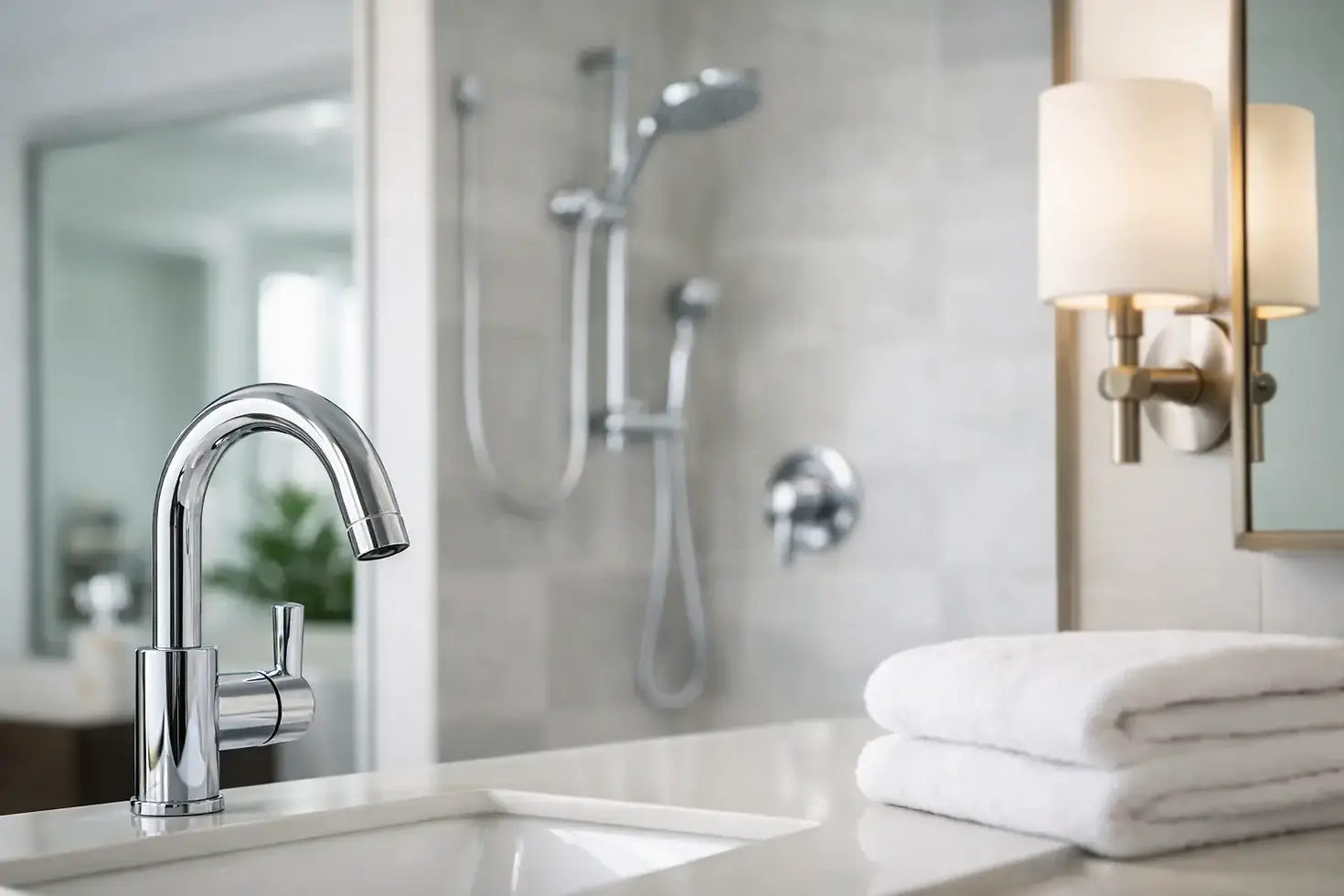
How to Pick Bathroom Fixtures That Last
A bathroom can look beautiful on paper and still feel frustrating once you start using it every day. The faucet splashes too far forward, the shower trim feels underwhelming next to the tile, or the finish that looked perfect online suddenly clashes with the vanity hardware. That is why knowing how to pick bathroom fixtures is less about chasing trends and more about making smart choices that suit your space, your routine, and the overall feel of your home.
When fixtures are selected well, the whole room feels finished. They connect the practical side of a bathroom - water flow, comfort, durability, cleaning - with the visual side, which is where style, balance, and personality come in. If you are renovating a primary bath, updating a powder room, or planning a new build, the right approach starts with looking at the room as a whole.
How to pick bathroom fixtures without guessing
The easiest way to make fixture decisions with confidence is to stop viewing each piece as a separate purchase. Your sink faucet, shower system, tub filler, towel bars, and plumbing trim all work together visually. Even if they are not identical, they should feel intentional.
Start with the bigger design elements already shaping the room. Vanity style, countertop material, wall tile, flooring, and lighting usually carry more visual weight than the fixtures themselves. Once those are established, fixtures become the details that either sharpen the design or compete with it. A sleek modern faucet may look perfect with flat-panel cabinetry and large-format tile, but it can feel out of place in a bathroom with warmer wood tones and more classic finishes.
This is where many homeowners get stuck. A fixture can be attractive on its own and still be wrong for the room. The goal is not to choose the most expensive option or the most popular finish. The goal is to choose pieces that make the full bathroom feel cohesive.
Start with function, then refine the style
A polished bathroom should also work well at 6:30 in the morning when everyone is rushing. Before you compare finishes or handle styles, think through how the bathroom is actually used.
In a family bathroom, durability and easy cleaning often matter more than a dramatic statement piece. In a powder room, you may have more freedom to go bold because the room gets lighter use and less storage pressure. In a primary ensuite, comfort features such as a hand shower, better temperature control, or a well-placed faucet can make a noticeable difference every day.
It also helps to think about who is using the space. Children, guests, aging homeowners, and busy families all use bathrooms differently. Lever handles may be more comfortable than small knobs. A handheld shower can be more practical than a fixed head alone. A widespread faucet may look elegant, but if the vanity is compact, a single-hole option may fit the scale better.
Once the functional needs are clear, style becomes easier to narrow down. Modern fixtures tend to have clean lines and minimal detailing. Transitional styles bridge traditional and contemporary looks and are often the safest choice for long-term appeal. More classic fixtures can add warmth and character, especially in homes with timeless finishes or architectural detail.
Finish matters more than most people expect
Fixture finish is often the first thing people notice, and it has a major effect on the mood of the room. Chrome feels crisp and familiar. Brushed nickel is softer and forgiving. Matte black creates contrast and works especially well in bathrooms with lighter surfaces. Brass tones can bring warmth and a more custom feel.
There is no single best finish, because it depends on the palette around it. Cool gray tile, bright white counters, and sharp lighting may pair beautifully with chrome or polished nickel. Warmer wood cabinetry, creamy wall colors, and natural stone often work better with brushed gold or warmer metal tones.
Practicality matters here too. Some finishes show fingerprints and water spots more easily than others. Some are easier to keep looking clean in a busy household. If you love a high-contrast look but know hard water marks will bother you, it is worth factoring that into the choice now rather than regretting it later.
Mixing finishes can work, but it should feel deliberate. If you mix metals, keep one dominant finish and let the second act as an accent through lighting, mirrors, or accessories. Too many competing tones can make the room feel unsettled.
How to pick bathroom fixtures that fit the size of the room
Scale is one of the most overlooked parts of fixture selection. A faucet that feels substantial in a showroom may overwhelm a small vanity. A petite light fixture and slim faucet can disappear in a large ensuite with a wide stone countertop and tall mirrors.
Proportion is what makes a bathroom feel balanced. The size of the vanity, the height of the backsplash, the depth of the sink, and the shape of the mirror all affect what fixture size will look right. Tall vessel faucets, for example, can be striking, but only when paired with the correct sink height and countertop configuration. Otherwise, they can feel awkward or create splash issues.
The same applies in the shower. Oversized rain heads are appealing, but they are not always the best fit for every enclosure. A well-planned shower system should match the dimensions of the space and the way you want the water delivered. More features are not always better. Sometimes a simpler system is more comfortable, easier to maintain, and better suited to the layout.
Match your fixtures to your materials
Bathrooms feel more elevated when the finishes speak to one another. This does not mean everything has to match perfectly. It means the materials should feel like they belong in the same story.
If your vanity top has dramatic veining, your fixtures may be better off staying simple so the room does not feel busy. If your tile is quiet and understated, fixtures can carry more personality. If you are choosing between multiple materials at once - tile, flooring, countertop, sink, and fixtures - it helps to view them together rather than in isolation.
That is one reason homeowners often benefit from selecting finishes in a showroom setting instead of piecing everything together from separate sources. Seeing the faucet next to the sink, countertop sample, flooring, and tile can prevent expensive mismatches and second-guessing later.
Budget for value, not just the upfront price
Bathroom fixtures come in a wide price range, and cost often reflects more than appearance. Internal parts, finish quality, warranty coverage, and long-term reliability all matter. A lower-priced faucet may save money at the start, but if it wears quickly or feels flimsy after a year, it usually does not feel like a bargain.
That does not mean every fixture needs to be top-tier. It means deciding where quality matters most for your lifestyle. Daily-use items such as sink faucets and shower controls are often worth investing in. Decorative extras can sometimes be more flexible.
It also helps to think beyond the fixture itself. Installation compatibility, plumbing rough-ins, and project timing can all affect total cost. Choosing a fixture that requires unexpected adjustments behind the wall can change the budget fast. When selections are made early and coordinated well, the entire renovation tends to move more smoothly.
Avoid the most common fixture mistakes
The most common mistake is choosing too late. Fixtures influence rough plumbing, vanity design, sink choice, and even tile layout. Waiting until the room is already under construction can limit your options.
Another common issue is picking based only on appearance. A faucet may look beautiful online, but if the spout reach is wrong for the sink or the handle placement feels awkward, the daily experience suffers. Comfort and function should never be an afterthought.
The last mistake is trying to make every item a statement. Strong design usually comes from restraint. One or two standout choices can add personality. Too many bold moments can make a bathroom feel crowded.
When expert guidance makes the process easier
If you are selecting bathroom finishes while also choosing flooring, tile, countertops, or a shower system, fixture decisions can start to feel more complicated than expected. That is normal. Bathrooms are small rooms with a surprising number of details, and each one affects the final result.
Working with experienced guidance can simplify that process. In a showroom environment, it becomes easier to compare styles, coordinate finishes, and make sure the practical pieces support the design vision. For homeowners who want the bathroom to feel polished without spending weeks second-guessing every detail, that support can be just as valuable as the products themselves. At Deluxe Design Center, that coordinated approach is a big part of helping clients create bathrooms that feel thoughtfully finished from every angle.
The best fixture choices are rarely the flashiest ones. They are the ones that look right on day one, work beautifully on busy mornings, and still feel like the right fit long after the renovation dust has settled.


Comments